- The Legacy Debt Trap: Patching old codebases manually wastes engineering hours and leaves critical vulnerabilities exposed.
- Autonomous Orchestration: Deploying self-healing workflows drastically reduces Mean Time to Resolution for production incidents.
- Strategic Partnering: Collaborating with specialized teams like Alburaq Tech accelerates modernization roadmaps safely.
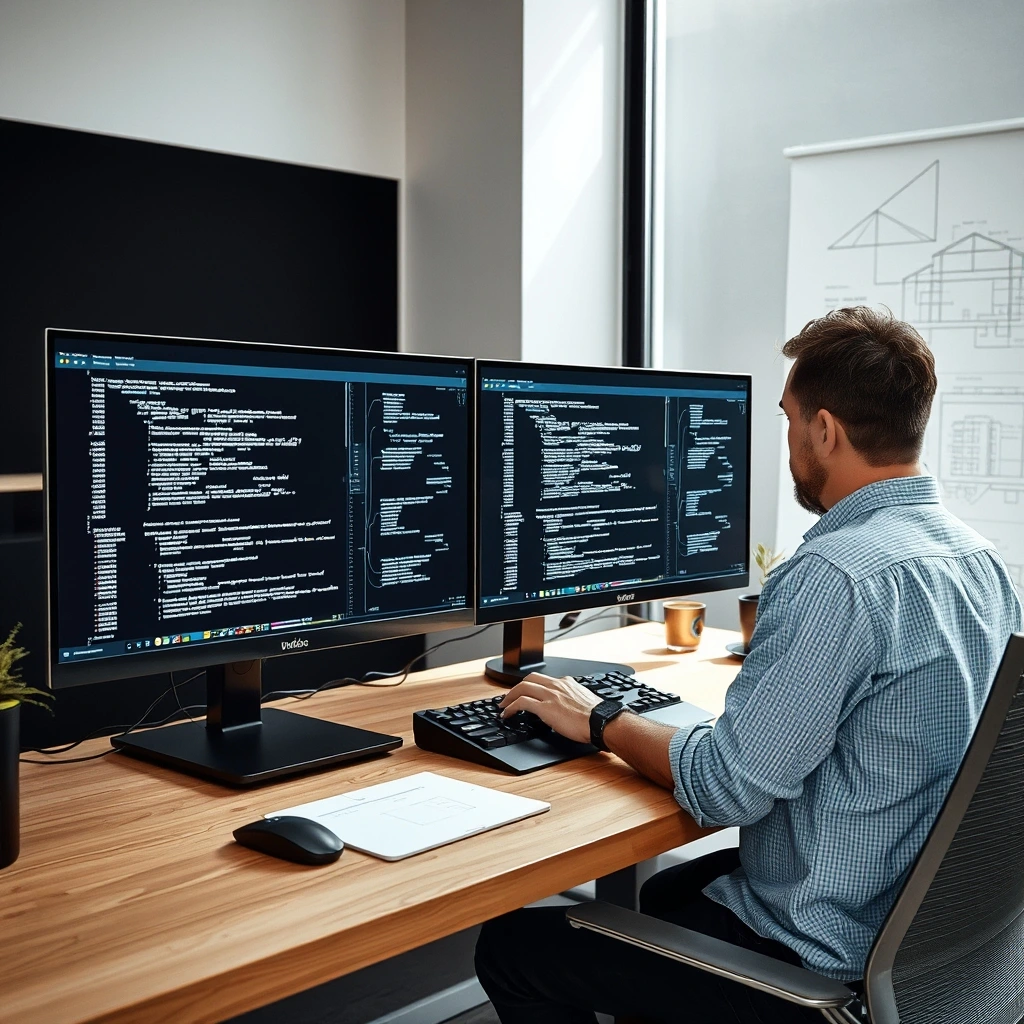
Your core system is hanging together with digital duct tape and prayer. Every deployment feels like defusing a bomb, and your senior engineers spend half their week untangling spaghetti code written a decade ago. Let's be candid: standard refactoring initiatives fail because they treat symptoms instead of the underlying architectural rot.
The Hidden Tax of Brittle Monoliths
Technical debt is not just a polite metaphor used during sprint planning. It functions like high-interest debt that compounds daily. When legacy databases stutter under peak loads or brittle API integrations drop packets, revenue vanishes in seconds. Traditional engineering responses involve hiring more developers to throw bodies at the problem. That strategy hits a hard ceiling when the codebase becomes too complex for any single human mind to map.
Consider the compounding failure rate of undocumented microservices communicating via unversioned payloads. Engineers waste endless hours trying to trace state mutations across distributed memory leaks. Organizations need an intervention. Patching the cracks no longer works. Enterprises require systematic remediation powered by intelligent logic that monitors, diagnoses, and patches system anomalies before they impact end users.
Deploying Intelligent Agents for System Diagnostics
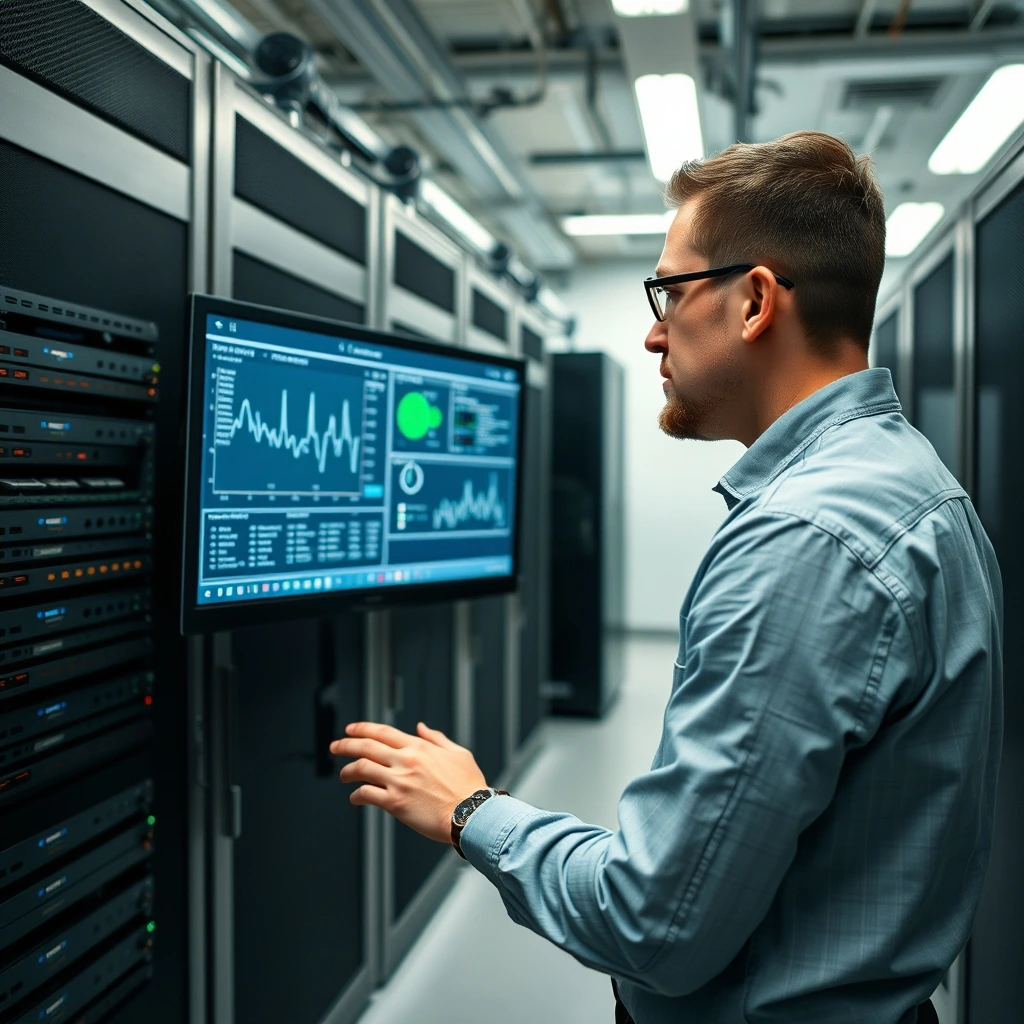
Manual log parsing belongs in the museum of obsolete practices. Modern engineering teams now deploy AI Agents Automation to monitor container health, detect anomalous traffic spikes, and trace memory consumption in real time. These agents do not simply alert human operators; they execute pre-approved remediation scripts, adjust rate limits, and isolate compromised microservices automatically.
This shift transforms operations from reactive fire-fighting to proactive resilience. When an exception occurs deep inside a payment gateway, an autonomous agent inspects the stack trace, matches the pattern against historical incident graphs, and drafts an optimized pull request. A human reviewer simply verifies the diff and merges the fix. The cycle time drops from hours to mere minutes.
Architecting the Modernization Roadmap
Swapping out core systems under heavy load requires surgical precision. You cannot pull the rug out from underneath active users. A phased modernization strategy relies on boundary definition, strangler fig patterns, and rigorous automated validation.
Need a Website That Actually Converts Visitors into Revenue?
Alburaq Tech crafts enterprise web apps, mobile solutions, and custom AI automation for high-growth businesses.
- Isolate the Blast Radius: Wrap fragile legacy modules in clean API gateways to prevent downstream contagion during failures.
- Introduce Shadow Deployments: Route duplicate production traffic through modernized components to benchmark performance silently.
- Automate Rollback Triggers: Program continuous delivery pipelines to instantly revert releases if error rates exceed fractional thresholds.
| Aspect | Traditional Approach | Modern Solution |
|---|---|---|
| Incident Response | Manual log diving and midnight pager alerts | Autonomous triage and self-healing loops |
| Code Refactoring | Risky monolithic rewrites over 12 months | Incremental strangler fig migration via APIs |
| Deployment Safety | Hope and manual QA checklists | Automated shadow testing and instant rollbacks |
Avoiding Common Pitfalls in Autonomous Integration
Adopting autonomous workflows introduces unique operational risks. If you grant scripts unrestricted database access without guardrails, you risk automated disasters executed at machine speed. Engineering leaders must enforce strict privilege boundaries and continuous audit trails for every automated action taken inside production environments.
Never grant autonomous agents direct write permissions to production databases during early rollout phases. Start with read-only observability agents, graduate to suggested patch generation, and only enable automated merging after three months of flawless dry-run audits.
When executing complex infrastructure overhauls, partnering with seasoned technical specialists makes the difference between a smooth transition and a complete operational standstill. Organizations that team up with experts like Alburaq Tech bypass common architectural traps, ensuring their modernized stack scales efficiently from day one.
Frequently Asked Questions
How do we prevent AI agents from introducing security vulnerabilities into legacy code?
All generated patches must pass through static application security testing (SAST), software composition analysis (SCA), and mandatory human code reviews before reaching staging environments.
Can autonomous automation work alongside older mainframe systems?
Yes. By building lightweight adapter layers and secure API wrappers around legacy mainframes, modern automation frameworks can read status metrics and execute administrative commands safely.
Need a Website That Actually Converts Visitors into Revenue?
Alburaq Tech crafts enterprise web apps, mobile solutions, and custom AI automation for high-growth businesses.